


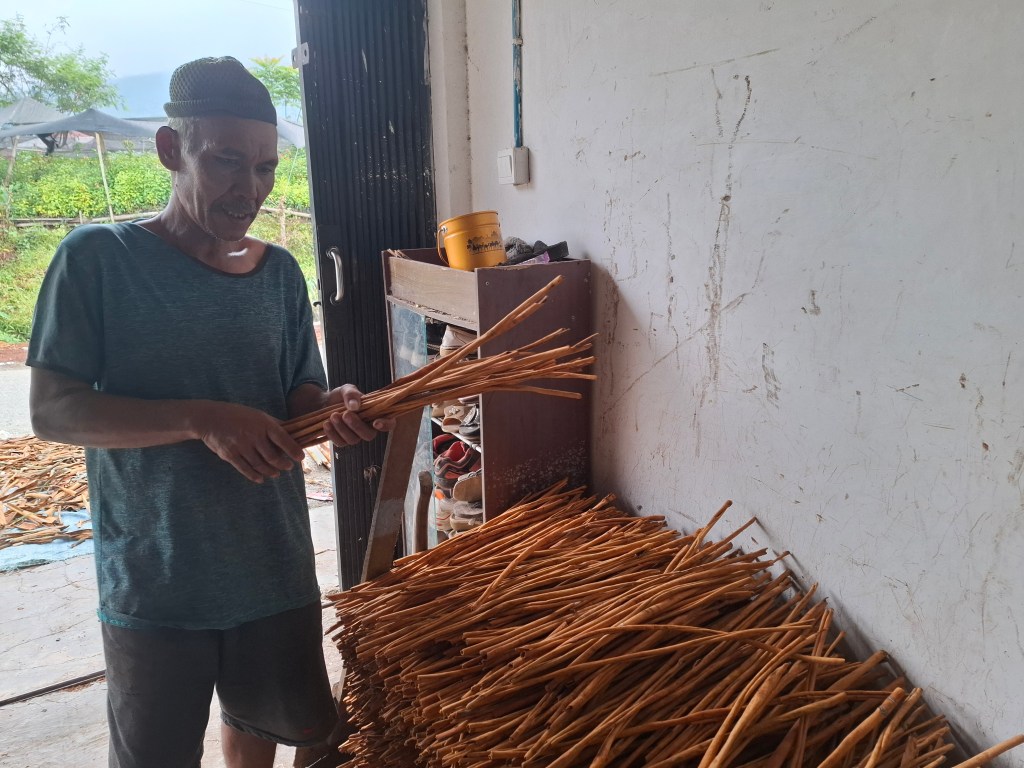
Indonesia has long been a global leader in spices, producing high-value commodities like nutmeg, pepper, cloves, and cinnamon. These products hold vast potential in both domestic and export markets. However, this potential remains underutilized. Many smallholder spice farmers continue to use outdated techniques, face limited market access, and struggle with low productivity. Government initiatives like the Indonesia Sustainable Agriculture (ISTA) project aim to address these challenges. However, farmer participation in ISTA activities remains limited, risking the effectiveness and reach of the program.
Aligning Program Strengths with Farmer Realities
ISTA aimed to strengthen agricultural extension systems and support sustainability. The project is implemented across key agricultural provinces, including Jambi, Lampung, Sulawesi Selatan and Papua between 2021 to 2025. Tulodo’s midterm evaluation found that while the program’s technical components are in place, deeper behavioral insights can enhance uptake. Only 24% of surveyed farmers were aware of the Matching Grant (MG) program, and participation in Farmer Field Schools (FFS) was often perceived as part of routine government work, rather than a targeted ISTA initiative
What the Midline Revealed
Tulodo uncovered several behavioral barriers through quantitative and qualitative research in four provinces: limited recognition of program identity, low trust in extension officers, and lack of clarity around eligibility and benefits. While 60% of MG recipients reported satisfaction, many other farmers remained unsure about how the program applied to them. These gaps provide an opportunity for Tulodo to integrate an approach that is centered in behavior science to increase spice farmers’ participation within the program.
Transforming Insight into Engagement
Tulodo’s recommendations focus on practical, behavioral adjustments: strengthen in-person communication via trusted community actors, clearly distinguish ISTA-supported activities, and simplify program messaging. These steps can better align ISTA’s strong foundation with how farmers make decisions.
A Call to Build Behaviorally-Informed Solutions
The midterm findings offer a roadmap beyond just an assessment. Tulodo’s behavior-led approach provides a clear path to increase relevance, trust, and participation among farmers. As Indonesia advances its spice sector, Tulodo continues to lead with insights, strategy, and implementation that put farmer behavior at the center of sustainable impact.