
Editor: Nicholas Goodwin, Heribertus Rinto Wibowo
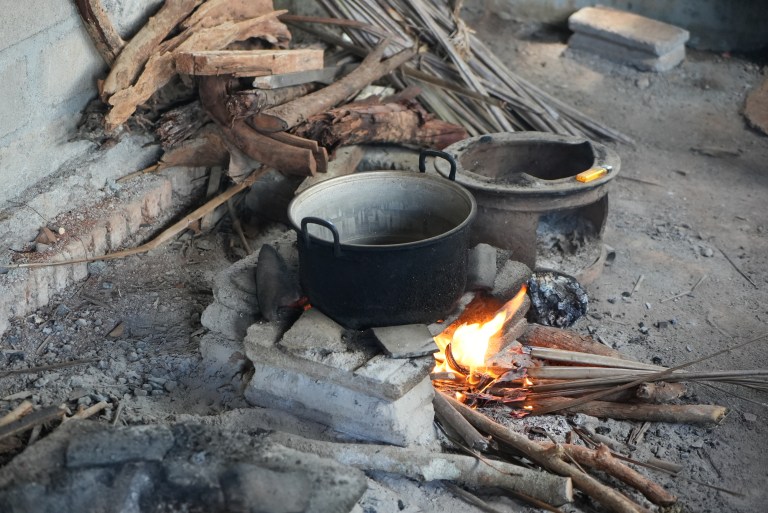
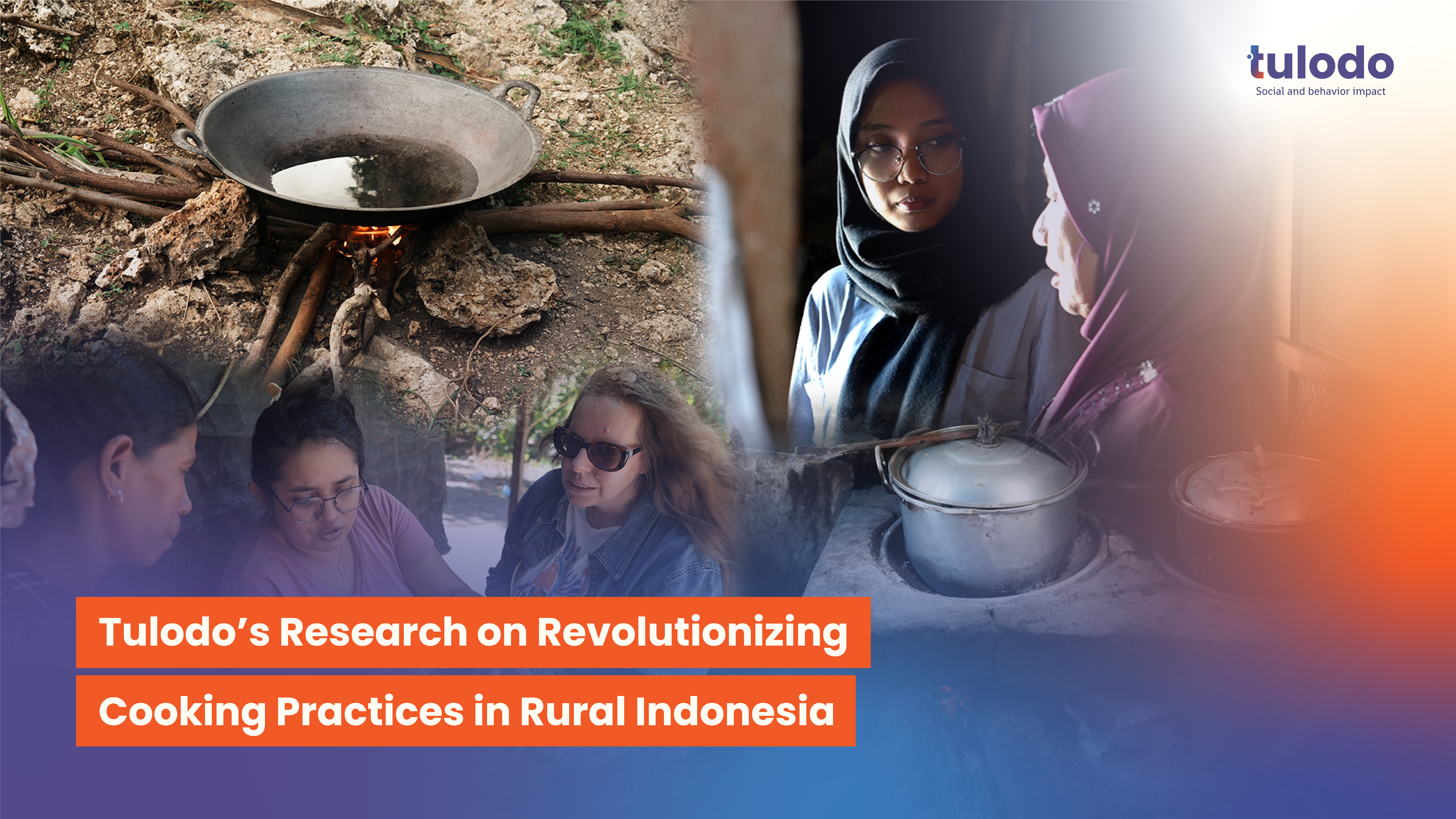
At the heart of Indonesia’s rural life, where the rhythms of nature often blend with human activities, a significant change to traditional cooking practices is underway. The crackling, romantic flames of three-stone stoves, fueled by ancient biomass sources like firewood, have long been a staple in Indonesian households. However, beneath the surface of tradition lies the twin stark realities of environmental degradation and health hazards. These traditional biomass stoves restrict human development and threaten the natural resources upon which humans depend.
To address these issues, Tulodo was commissioned to join a collaborative research project on Carbon Offset and Cook Stoves in Indonesia, initiated by ENI, in partnership with Bureau Veritas. This is the first stage in an endeavor that seeks to revolutionize cooking practices and the use of cookstoves, particularly in regions like Temanggung (Jawa Tengah), Pacitan (Jawa Timur), Gunungkidul (Yogyakarta) and Kabupaten Kupang (Nusa Tenggara Timur), where reliance on traditional stoves remains high.
The backdrop against which this project unfolds is multifaceted. On one hand, traditional biomass cooking practices seem economical and accessible, with fuel often gathered freely from nearby wooded areas. Yet, this seemingly benign practice carries profound implications. The use of firewood for cooking has been linked to adverse health effects and environmental degradation.
Despite a gradual decline in the utilization of firewood over the years, certain regions still cling to this age-old tradition. Factors such as availability of firewood, poverty, lack of motivation, and limited access to clean cooking solutions, perpetuate these hazardous practices, contributing to indoor air pollution and forest destruction.
The Imperative of Clean Cooking Solutions
Recognizing the urgency of addressing these challenges, the concept of clean cooking emerges as a beacon of hope. Clean cooking entails the adoption of cleaner fuels and energy-efficient stoves, paving the way for improved health outcomes, environmental sustainability, and economic development.
Efforts to promote clean cooking solutions have taken various forms in Indonesia, from the distribution of improved biomass cookstoves, and conversion of kerosene to liquefied petroleum gas (LPG). However, the success of such initiatives hinges on a comprehensive approach encompassing technological innovation, community engagement, and policy interventions.
Project in Action
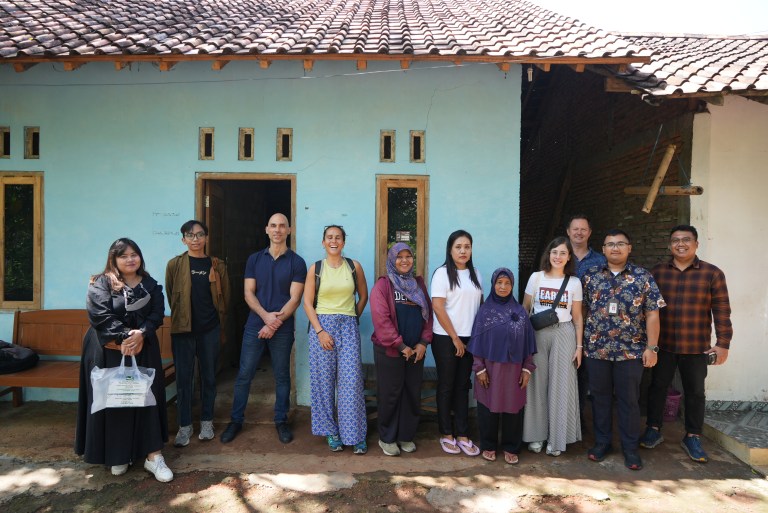
The research project marks a pivotal step in this transformative journey. Divided into multiple phases, the project commenced with a preliminary study aimed at understanding cooking behaviors among households in target regions. A total of 80 respondents, 41 local stakeholders and 9 national stakeholders (including ministries, NGOs and stove producers) participated in surveys and interviews, providing invaluable insights into the local context.
The second phase, currently underway, focuses on conducting a baseline study to further explore household dynamics related to stove utilization and biomass usage (with a total of 521 respondents). Additionally, Kitchen Performance Tests (KPTs) for both firewood and LPG were conducted to evaluate cooking efficiency and fuel consumption patterns. The KPTs for firewood were conducted in all four locations while KPTs for LPG was conducted only in Java regions.
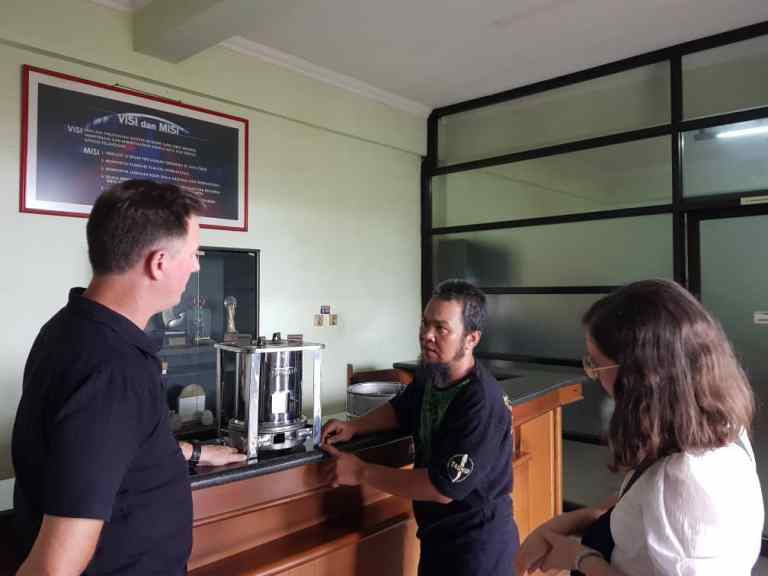
As the data analysis progresses, the implications of this research resonate far beyond statistics and survey responses. It heralds a paradigm shift in how we perceive cooking practices in rural Indonesia and underscores the imperative of sustainable solutions.
By prioritizing clean cooking initiatives, Indonesia can mitigate the adverse effects of traditional biomass cooking, paving the way for a healthier, more sustainable future. The research will not only inform policy decisions but also empower communities to embrace change and lead a movement towards sustainable prosperity.
In the journey towards environmental stewardship, healthy lifestyles and sustainable development, clean cooking emerges as a powerful catalyst for change. Tulodo’s community powered and behavior focused partnership with ENI and BV is a testament to the strength of collaboration, innovation, and collective action in shaping a better world.

Published by