

For hundreds of years Indonesia has been a significant player in the global spice market – this trend continues into 2025. The country exported over 148,000 tons of spices from January to November 2023, valued at approximately USD 564 million. Key exports include pepper, nutmeg, cinnamon, cloves, vanilla, cardamom, ginger and turmeric. Major destinations for these exports include China, United States, India, Vietnam, and the Netherlands. Despite a slight decrease in export value compared to previous years, the demand remains strong, particularly for cloves, ginger, turmeric, and fennel, which have seen substantial year-on-year growth. Challenges for the spice industry include fluctuating prices, climate change, and economic slowdowns in key markets.

Tulodo and Makna Consulting were once again appointed by NCBA CLUSA Indonesia to conduct the Midterm Evaluation Study for the ISTA (Indonesia Spice Trade Alliance) Project in 2024, after previously carrying out the Baseline Study for the same project in 2021. The ISTA project, funded by the U.S. Department of Agriculture, is a seven-year initiative with two main goals. First, to boost productivity and efficiency in three Indonesian spice value chains (black pepper, cinnamon, and vanilla) by strengthening the capacities of farmers, cooperatives, and private entities. Second, expanding trade by improving crop quality to meet international standards, strengthening cooperatives and public-private partnerships, connecting farmers with international traders, promoting environmental resilience and certification (such as Rainforest Alliance), supporting crop diversity, and linking recent graduates to extension services careers. ISTA operates in four provinces in Indonesia: Jambi, Lampung, South Sulawesi, and Papua. The regions for the commodities include cinnamon (from Jambi), black pepper (from Lampung and South Sulawesi), and vanilla (from Papua and South Sulawesi).
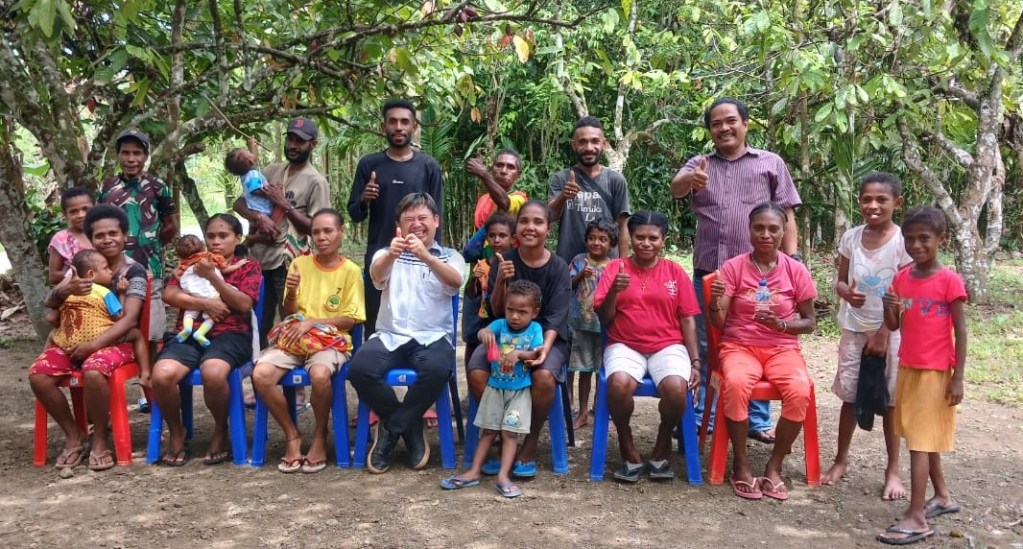
The purpose of the Midterm Evaluation Study was to review ISTA’s implementing experience and the environment; assess ISTA’s performance and ensure that it is meeting mid-term objectives, and that its activities are relevant and effective and are reaching their target beneficiaries; identify weaknesses and challenges during the implementation and recommendations on how this should be strengthened to meet the goals of the project; and to document best practices and lessons learned. The study provides an early signal of the efficiency and effectiveness of interventions and assess sustainability. A rigorous and independent evaluation enables managers to track progress and make evidence-based adjustments to project operations to achieve ISTA goals.
Initiatives like the “Indonesia Spice Up the World” program aim to expand the presence of Indonesian spices globally by collaborating with international culinary actors and increasing exports to markets such as the U.S., Europe, and Asia. The government is also promoting the development of foreign exchange villages to support spice production and improve the competitiveness of Indonesian spices on the global stage. With continued support, Indonesia could maintain its historical leadership of the spice trade.

Published by