Shaping Behavior for Carbon and Health Gains

Millions of households in Indonesia still rely on biomass fuels and traditional cookstoves, which contribute to deforestation, indoor air pollution, and carbon emissions. Adoption of clean cookstove technology remains low despite availability. A further look into this problem highlights the important role of daily habit, trust, and perceived benefit of using biomass fuels and traditionalContinue reading Shaping Behavior for Carbon and Health Gains

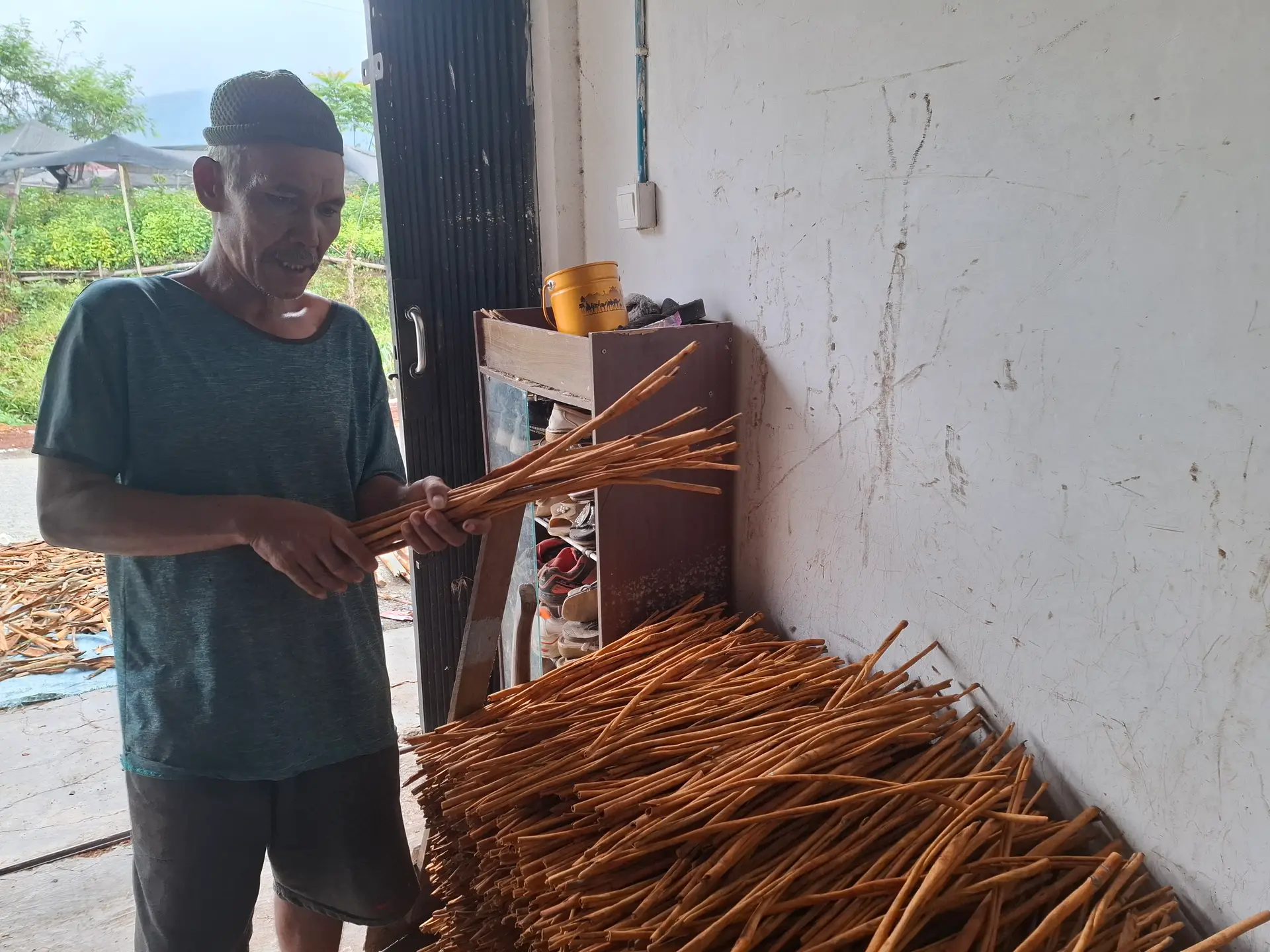
Local farmer holding cinnamon tree barks in the processing facility.

Unlocking Participation: Revealing What Drives or Hinders Spice Farmers Engagement

Indonesia has long been a global leader in spices, producing high-value commodities like nutmeg, pepper, cloves, and cinnamon. These products hold vast potential in both domestic and export markets. However, this potential remains underutilized. Many smallholder spice farmers continue to use outdated techniques, face limited market access, and struggle with low productivity. Government initiatives like the Indonesia Sustainable Agriculture (ISTA) project aim to address these challenges. However, farmer participation in ISTA activities remains limited, risking the effectiveness and reach of the program.Continue reading Unlocking Participation: Revealing What Drives or Hinders Spice Farmers Engagement

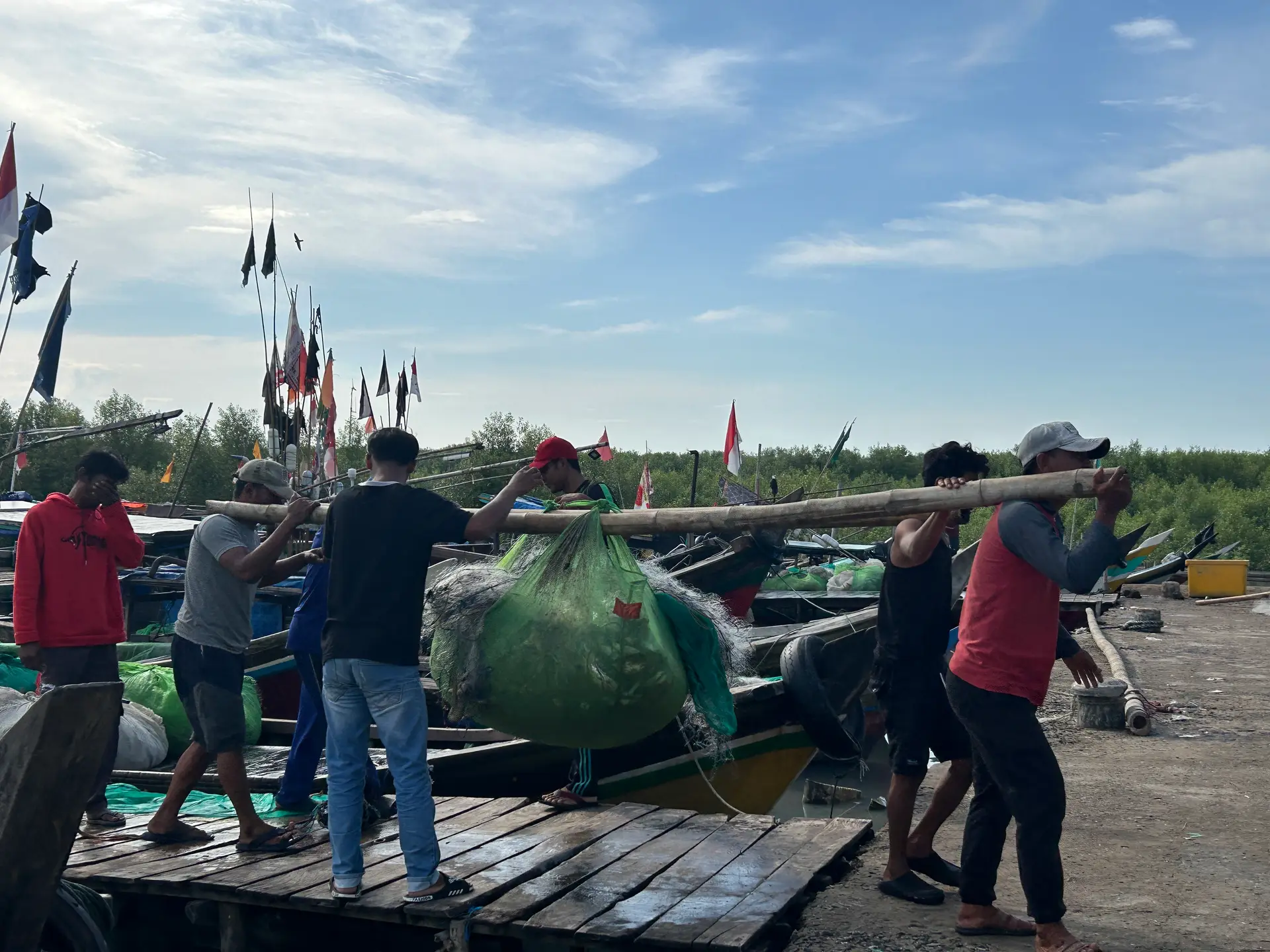
Empowering Sustainable Fisheries Through Behavior Change in Indonesia

Indonesia is the world’s second largest fish producing country, yet its fisheries sector is under growing threat. Climate change, marine pollution, and overfishing continue to damage ecosystems and undermine the livelihoods of coastal communities. While policy and technical interventions abound, they often fall short for failing to address a root issue: behavior. Fishers still use destructive practices like trawling and explosives, not due to ignorance, but due to perceived short-term gains and embedded social norms.Continue reading Empowering Sustainable Fisheries Through Behavior Change in Indonesia

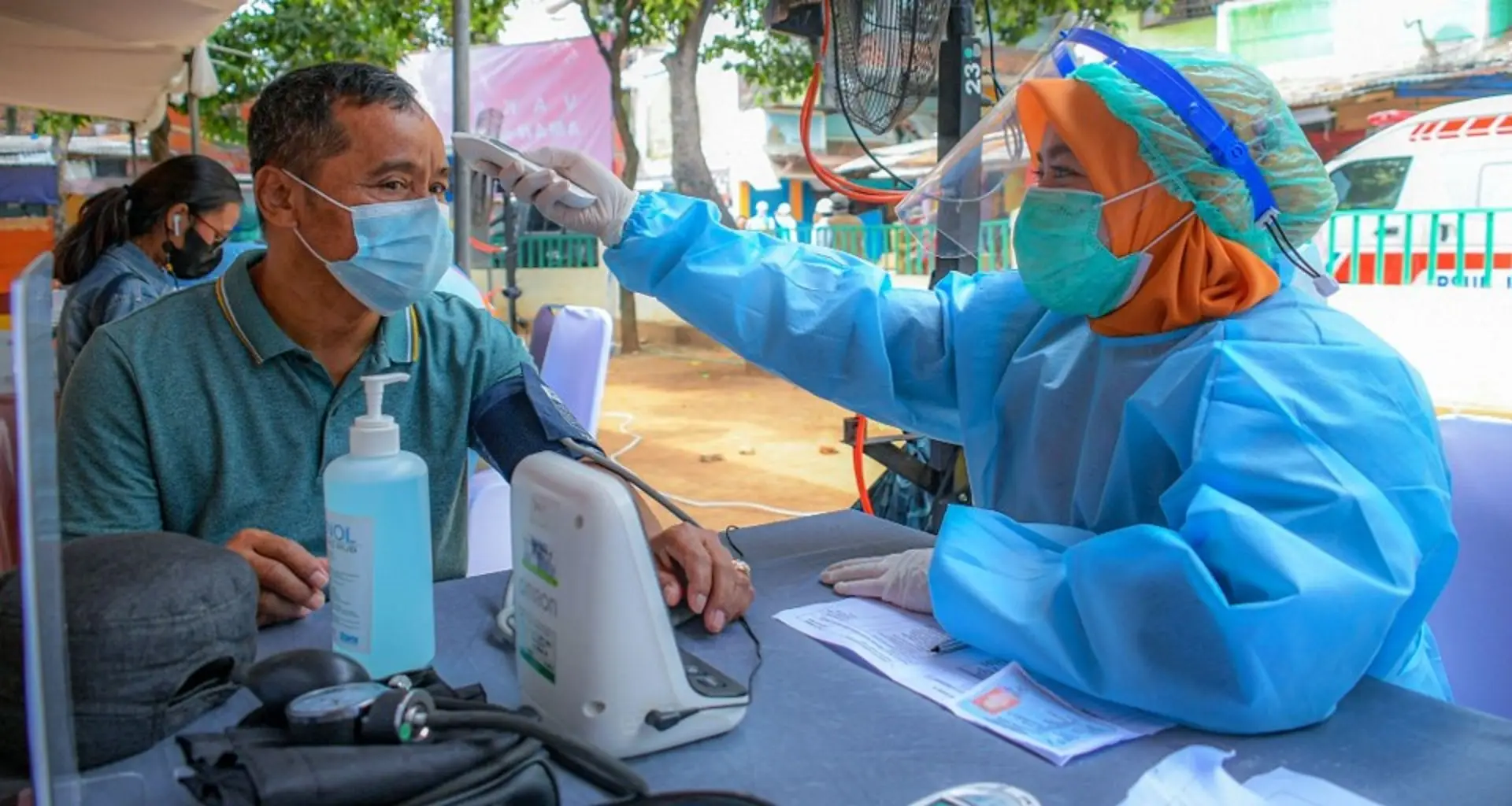
Behavioral Solutions for Rural Vaccination in Indonesia Turns Reluctance into Action

Why do people choose not to get vaccinated even when clinics are nearby, doses are free, and COVID-19 has claimed lives in their communities? That question brought Tulodo to Lumajang, East Java, where hesitancy was the core obstacle to full COVID-19 vaccination.Continue reading Behavioral Solutions for Rural Vaccination in Indonesia Turns Reluctance into Action