
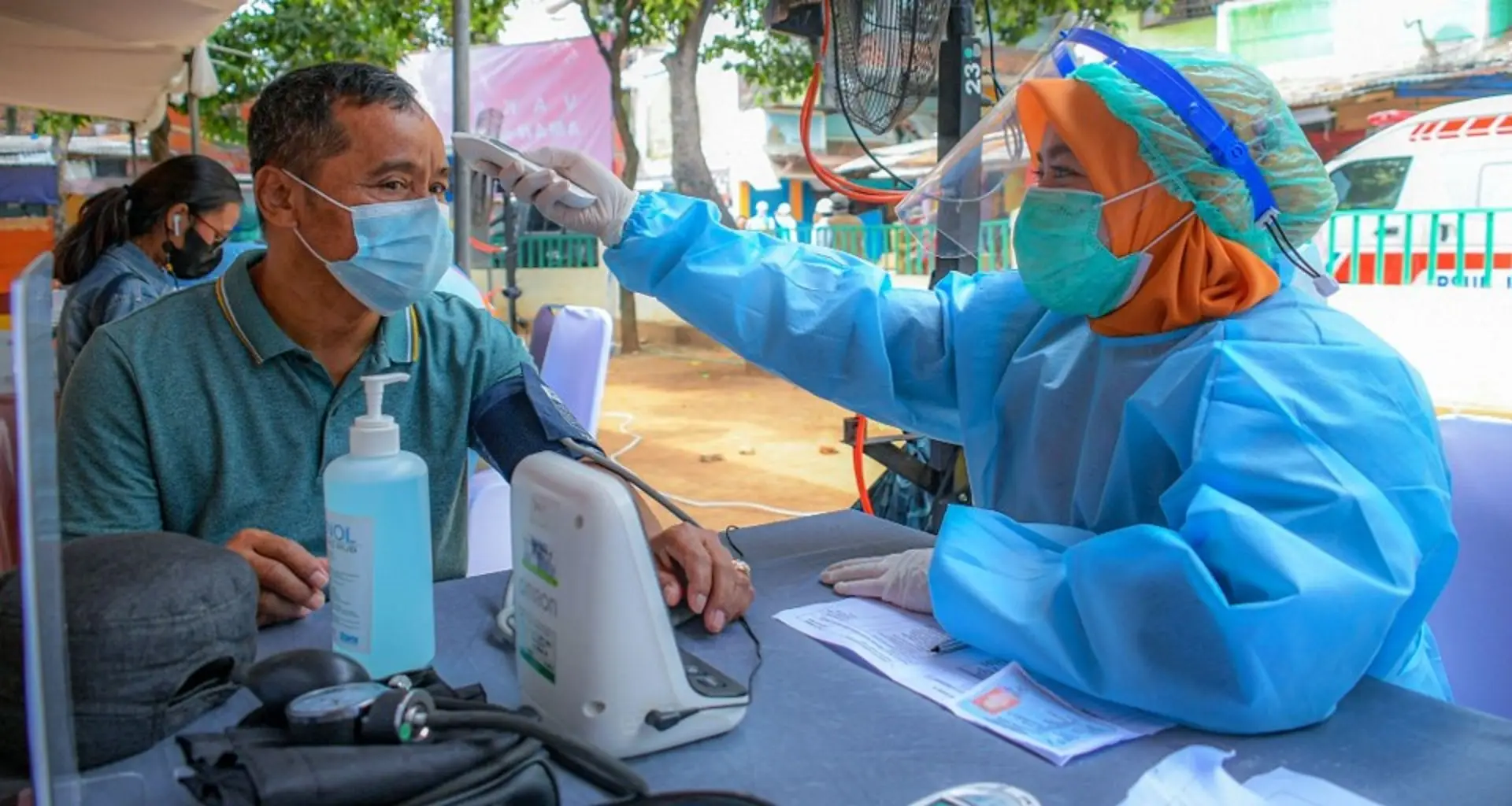
Why do people choose not to get vaccinated even when clinics are nearby, doses are free, and COVID-19 has claimed lives in their communities? That question brought Tulodo to Lumajang, East Java, where hesitancy was the core obstacle to full COVID-19 vaccination.
The Race Against COVID-19 Spread
Indonesia has made remarkable progress in COVID-19 vaccine distribution. As of February 2023, over 203 million people had received their first dose. But only 174.8 million received a second dose, and booster coverage remained low. With a national target of 234.6 million, the issue is no longer supply, but behavior.
What People Believe, Fear, and Follow
In partnership with the Behavioral Insights Team and Aisyiyah, Tulodo conducted a formative study across five villages to understand why, despite access, many still hesitated to receive COVID-19 vaccines. Using the COM-B behavioral framework and human-centered design methods, we found that barriers were often internal, not external. People feared side effects. Some believed vaccines were haram or implanted with chips. Others simply thought the pandemic was over, and saw no urgency.
We also found what works. Invitations from religious leaders, WhatsApp posts from neighbors, and small tokens like cooking oil were more persuasive than top-down campaigns. Social influence played a major role: 87.5% of respondents said their close circles supported vaccination, and 85% believed most villagers had been vaccinated.
Equally important was the role of local health services. Respondents emphasized that nearby Puskesmas, flexible hours, and friendly staff made the process easier, especially for those with low digital literacy.
A Measurable Shift in Mindsets
The project in Lumajang helped spark tangible shifts in community perceptions around COVID-19 vaccination. Through targeted behavioral messaging, trusted local messengers, and improved service experiences, community discussions moved from doubt toward acceptance. In follow-up engagements, health workers reported increased turnout during vaccination drives, particularly in areas where social influence and religious leadership were actively mobilized. These results show that even small, well-designed interventions can restore public trust and close the gap between access and action.
The Future of Public Engagement
The lessons from Lumajang resonate beyond the pandemic. Whether in public health, nutrition, or environmental challenges, success hinges not just on policies, but on the everyday choices people make. Tulodo’s proven approach combines data, local insights, and community trust to design solutions that people actually respond to. For governments, donors, and development partners seeking to improve program uptake, whether in health, climate, or education, partnering with Tulodo means turning behavioral insight into measurable, lasting impact.

Published by