
Human and animal health are closely linked, but what happens when a nasty disease threatens both in a busy tourism destination? Tulodo was commissioned by the DFAT-funded Australia-Indonesia Health Security Partnership (AIHSP) to conduct an independent evaluation of the Tim Siaga Rabies (TISIRA) program in Bali. The primary objectives were to understand how TISIRA is implemented in the field, assess its impact on rabies control, document effective practices and challenges, and evaluate the program’s sustainability. The evaluation also provided recommendations on the potential replication of TISIRA in other provinces and how to improve rabies management policy, both in Bali and at the national level.
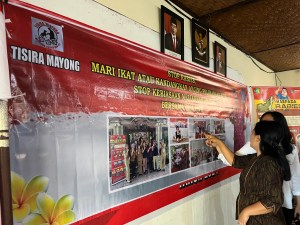
The evaluation was conducted in Bali with a focus on three districts representing the three phases of the TISIRA program: Buleleng, Badung, and Gianyar. In Buleleng, the study was conducted in Mayong village, which served as the initial pilot for TISIRA (Phase 1). In Badung, Darmasaba village was selected for its independent implementation of TISIRA without support from AIHSP (Phase 2). Finally, Saba village in Gianyar was chosen as part of the program’s expansion (Phase 3).
Tulodo first conducted an analysis of secondary data from AIHSP reports and government sources. To gather empirical data, Tulodo conducted fieldwork in June 2024 in all three regions of Bali. In each village, Tulodo conducted focus group discussions (FGDs) with TISIRA members, health center teams, and the general public.
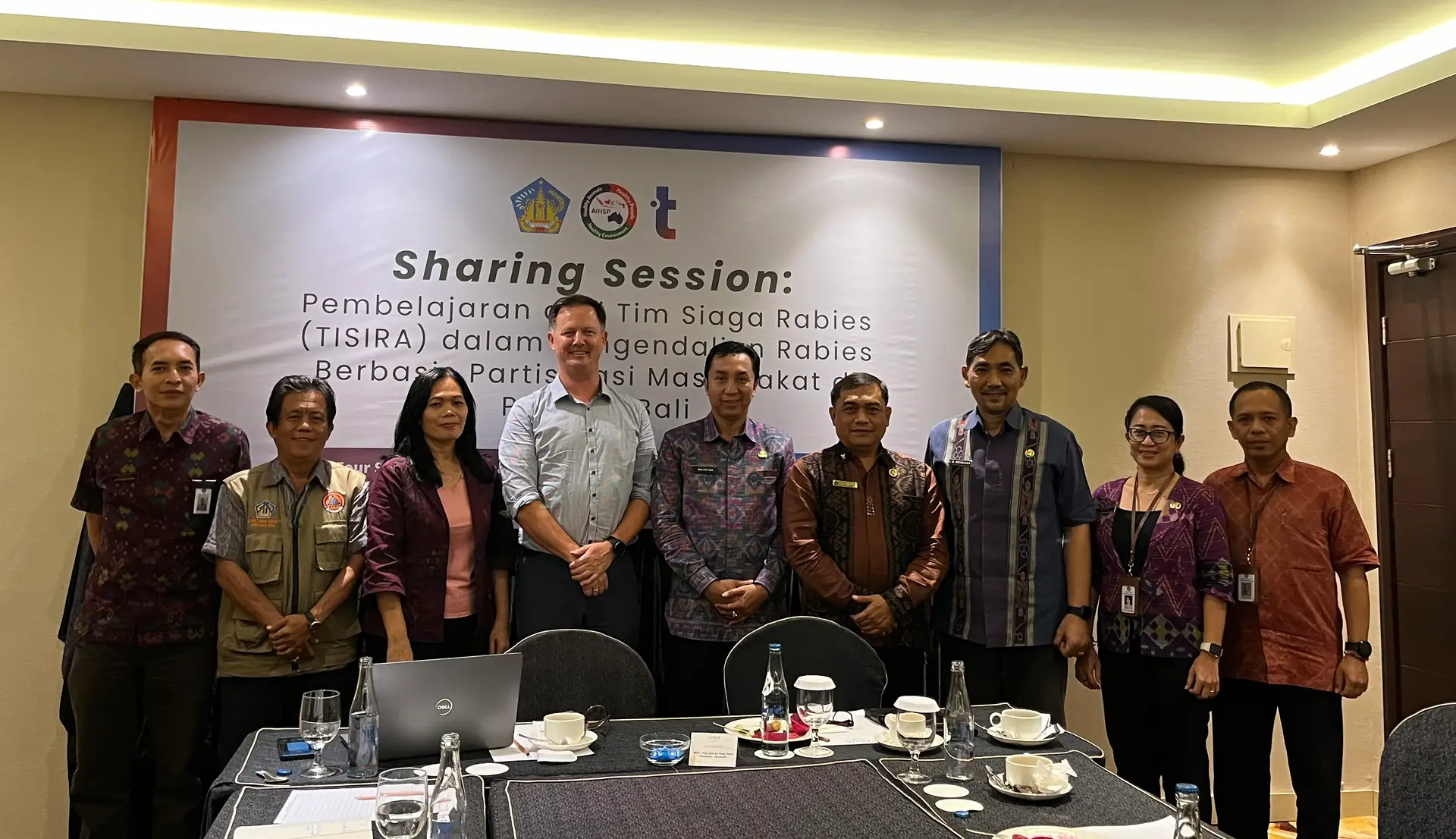
During each visit, the Head of Animal Health from the district’s Agriculture Office was invited as a resource person for data collection. After the fieldwork in the villages, the Tulodo team organized a sharing session at the provincial level, inviting officials from the Regional Development Planning Agency (Bappeda), Regional Disaster Management Agency (BPBD), Health Office, and the Agriculture and Food Security Office. The sharing session aimed to discuss TISIRA from a policy-making perspective and gather information on the sustainability of TISIRA in Bali Province.
Following the fieldwork and provincial-level discussions, Tulodo gathered information at the national level through online interviews with the Ministry of Agriculture and the Coordinating Ministry for Human Development and Cultural Affairs. Tulodo then reviewed and analyzed the collected data to develop the evaluation report.
The first case of rabies in Bali was identified in 2008, posing a significant challenge to public health and tourism. Since then, various efforts have been made by both central and local governments to eliminate the threat of rabies in Bali, one of which is through community involvement in rabies control. TISIRA was established as an initiative following the success of the Kader Siaga Rabies (KASIRA) program, which was created by the Ministry of Agriculture in West Nusa Tenggara in 2021. The key to TISIRA’s success is its ability to mobilize communities in the fight against rabies. Members of TISIRA include various community elements such as village heads, village midwives, local military personnel (Babinsa), community police officers (Polprades), religious leaders, and community figures. Especially important has been the sharing of information between human and animal health teams as part of case management, including through WhatsApp groups.
The evaluation of the TISIRA program yielded recommendations that will strengthen its implementation in Bali and facilitate the replication of the program in other provinces. It is hoped that TISIRA can be continuously improved and optimized to make a significant contribution to freeing Bali from the threat of rabies. The TISIRA program represents a crucial initiative in the effort to control rabies in Bali. With this evaluation, we are optimistic that through continuous improvement to cooperation between the government, communities, and other stakeholders, Bali can achieve rabies-free status in the future. Together, we can create a healthier and safer Bali for humans and animals.

Published by