

Empowering Indonesian youth to build healthier habits through digital innovation
The habits young people develop today can shape their health and well-being well into adulthood. Their daily choices can influence their quality of life, ability to learn, and future participation in the workforce. Non-Communicable Diseases (NCDs) account for 76% of all deaths in Indonesia, making them one of the country’s most pressing public health challenges. Many of these conditions are linked to habits formed during adolescence, including unhealthy diets and physical inactivity. Helping young people adopt healthier routines early in life is therefore critical to improving long term health outcomes.
Understanding healthy behavior does not always lead to healthier choices. Although 94% of Indonesian adolescents recognize the importance of good health, sugary snacks and fast food remain common, while fruit and vegetable consumption falls below recommended levels. 70% of young people also find it difficult to choose healthier options when spending time with friends. Social norms, daily routines, and peer influence continue to shape these everyday choices.
Smartphone use presents a valuable opportunity to address this challenge. With 72.4% of Indonesian adolescents owning a smartphone, digital platforms have become central to how young people communicate, learn, and influence one another. These platforms offer more than a channel for delivering information. They create opportunities to encourage healthier behavior through participation, interaction, and peer support.
The World Food Programme (WFP) appointed Tulodo Indonesia as the implementing partner for Si Paling Megang, delivered in partnership with WFP and Indonesia’s Ministry of Health from January to July 2025. Implemented across DKI Jakarta, West Java, and East Kalimantan, the programme tested an evidence based Social and Behaviour Change Communication (SBCC) model for young people aged 13 to 24. Behavior science, digital innovation, and community engagement were brought together to make healthier choices feel relevant, practical, and achievable.
Making healthy living part of everyday life
Healthy behaviours are more likely to last when they fit into young people’s everyday lives.
Si Paling Megang, short for Menyala dengan Gerak dan Gizi Seimbang/Energized by Movement and Balanced Nutrition was designed to reflect the way young people communicate, interact, and motivate one another. Health was positioned not as a set of instructions, but as something they could experience, personalise, and share.
TikTok and Instagram delivered relatable, trend driven content that introduced healthier lifestyles through familiar digital experiences. A dedicated mobile application encouraged participants to build new routines through interactive 30 day challenges, allowing small behavior changes to develop into lasting habits.
Digital engagement was strengthened through human connection.
18 moderated WhatsApp groups created supportive peer communities where participants shared progress, discussed challenges, and encouraged one another throughout the programme. Offline activation, including a youth event in Samarinda, extended those interactions beyond the screen, creating opportunities to learn together and celebrate progress. Digital platforms became more than communication channels. They became spaces where healthier behaviours could be practised and reinforced together.
Learning with young people
Technology expanded the programme’s reach, but relationships sustained participation.
Participants remained engaged when they could exchange experiences, celebrate achievements, and encourage one another along the way. Peer support became one of the strongest drivers of behaviour change, demonstrating that lasting habits are shaped through social connection as much as through information.
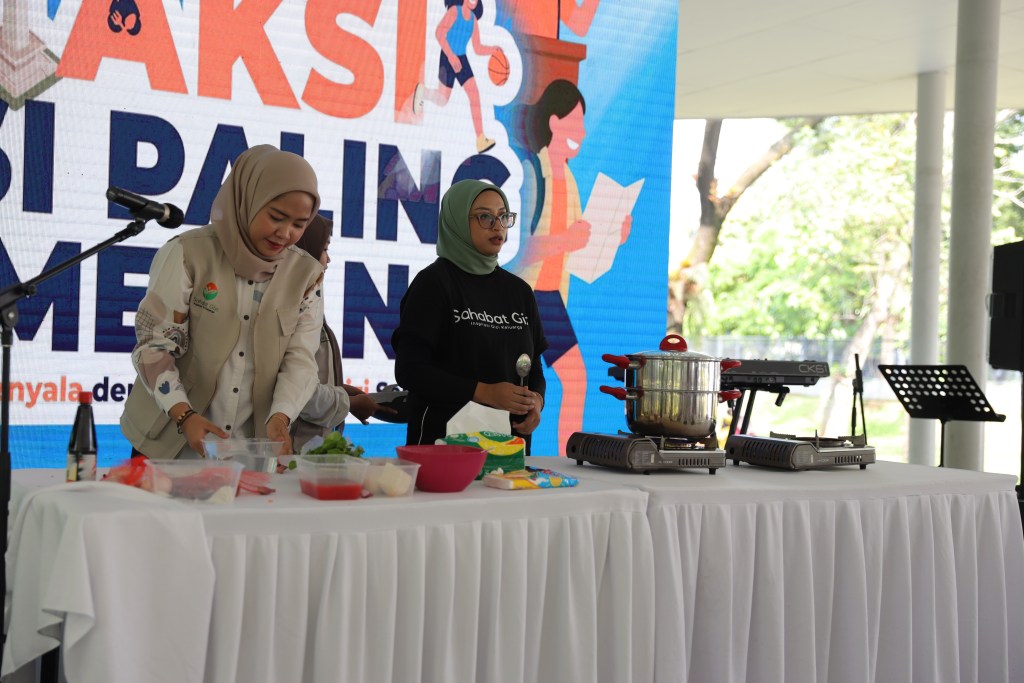

Face to face engagement strengthened this learning. The youth activation in Samarinda demonstrated how in person interaction complemented digital activities by building trust, participation, and collective motivation. Online platforms maintained daily engagement, while offline activities strengthened commitment to healthier lifestyles.
Continuous feedback also shaped programme implementation. Young people were involved not simply as audiences, but as active contributors whose experiences helped refine activities throughout the intervention.
Turning participation into measurable change
The campaign reached more than 10 million people and generated over 1.5 million interactions across its digital platforms, demonstrating the potential of digital innovation to engage young audiences at scale.
Participants who completed the programme increased their fruit and vegetable consumption by 22%, achieving the programme’s primary behavioural target. Physical activity increased by 83.3% among participants using the mobile application, highlighting the value of combining digital habit building with continuous peer support.
Reducing unhealthy snack consumption proved more challenging, with an improvement of 5.3%. The findings reinforced an important behavioural insight. Building healthier habits is often easier than changing existing ones, particularly when food choices are influenced by convenience, social norms, and shared routines. Sustained dietary change requires continued reinforcement from peers, families, schools, and the wider environment.
Strengthening behavior change through evidence and innovation
Si Paling Megang demonstrated that empowering young people extends beyond delivering health information. Lasting change happens when evidence based behavioural insights, meaningful participation, and digital innovation come together to create experiences that fit naturally into people’s everyday lives.
Si Paling Megang reflects Tulodo’s broader approach to behaviour change, combining research, behavior science, strategic communication, and digital innovation. Tulodo designs interventions that go beyond awareness to create the conditions where positive behaviours can emerge and thrive within people’s lived context. This integrated approach enables Tulodo to support governments, private sector and community partners in addressing complex social challenges through evidence based, people centred solutions. For Indonesia’s young people, this means the opportunity to lead fun and productive lives that don’t compromise their wellbeing, nor add stress to their parents.

Published by